Faculty and students continue to adapt to virtual learning across The Ohio State University. Now, faculty members in the College of Nursing are using some popular puzzles to help their undergraduate students get a virtual problem-solving experience.
Do microwaves kill germs? They may kill viruses on a sponge
Microwave ovens produce radio-frequency waves that cause the water molecules in an object to vibrate. This vibration causes friction, which allows the object to heat up to a temperature that can kill germs.
That's why microwaves are sometimes used to disinfect items such as a household sponge, as they are a hotbed for viruses and bacteria.
However, research has found mixed results on whether a microwave can effectively kill germs on a sponge, or even in food. Here's what you need to know.
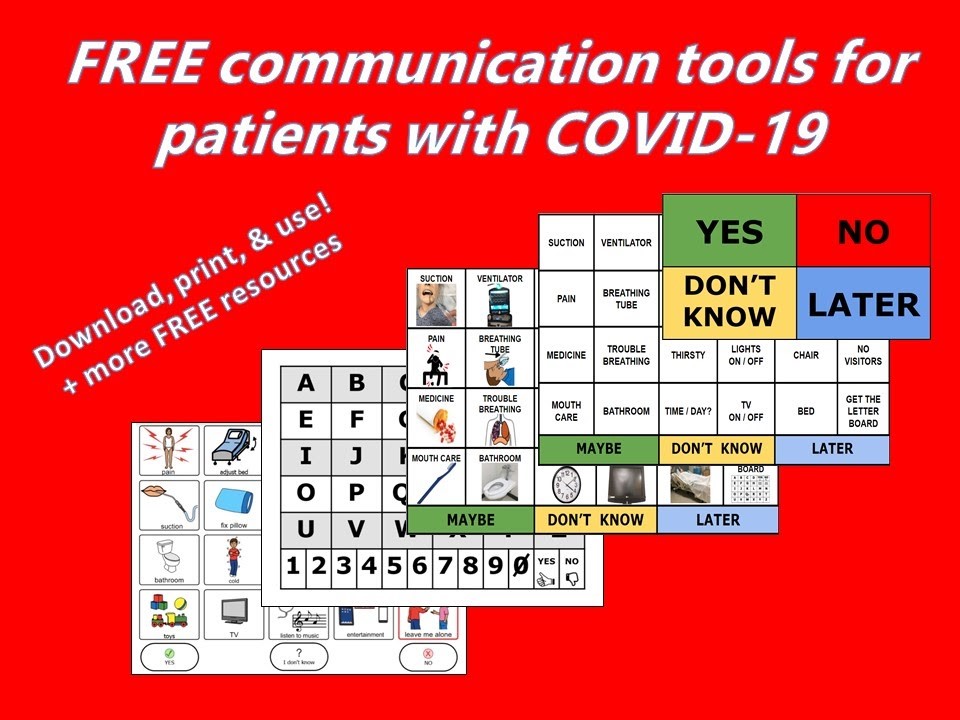
New tools available to help healthcare professionals communicate with COVID-19 patients who are unable to speak
Speech-language experts from The Ohio State University and across the country have teamed up to produce a free online suite of tools and resources for healthcare professionals to utilize in the treatment and care of patients battling COVID-19 who are unable to speak.
Speech-language pathologists, nursing leaders and engineers from the Patient-Provider Communication (PPC) Forum developed the toolkit with support from the U.S. Society of Augmentative and Alternative Communications.
Tim Raderstorf Talks Nursing and Innovation at TEDxColumbus
A recent TEDxColumbus talk on innovation and nursing was given by Tim Raderstorf, DNP, RN. Tim is a nurse, teacher, and Chief Innovation Officer at Ohio State University, and co-author of the book Evidence-based Leadership, Innovation, and Entrepreneurship in Nursing and Healthcare.
Wanted: Your ideas to help those affected by COVID-19
You want to help, right? That’s what Buckeyes do — we help.
And many of us are wondering right now what we can do to pay forward during the coronavirus (COVID-19) outbreak while also practicing social distancing to combat the spread of the virus.
One way is to use your mind.
“We need to better utilize each other’s skill sets, to lean on each other in this time of need and uncertainty,” said Tim Raderstorf, chief innovation officer at The Ohio State University College of Nursing. “This is a fortuitous opportunity to help the community.”
Suite of free resources now available to help healthcare professionals communicate with COVID-19 patients who are unable to speak
Online toolkit include signs, charts, videos, tips to aid in treatment
New rankings place Master’s in Nursing and DNP degrees in nation’s top ten
U.S. News & World Report names College of Nursing master’s and doctoral nursing degree programs among best in the country
U.S. News & World Report released new rankings today that place The Ohio State University College of Nursing’s Master of Science in Nursing program at #6 in the country (up from #8 last year) and its Doctor of Nursing Practice (DNP) program at #8 (up from #19).
Several of the college’s specialty tracks in the MS in Nursing and DNP programs also earned high marks in the latest rankings:
How to Talk to Your Children about the Coronavirus and Ease their Anxiety
The current situation with the coronavirus, otherwise known as COVID-19, can be a source of stress and anxiety for you as well as your children. The most important thing that you can do to help your children through this uncertain time is to remain calm when you are with your children as your own level of anxiety will affect them. If your children sense you are anxious, they will be anxious as well. Reducing your own stress and anxiety so that you are less anxious will help your children to stay calm.
Select specializations in the Master’s in Nursing and BSN to DNP programs reopen for application
Are you ready to advance in your nursing career? Don’t miss your chance to join The Ohio State University’s Master of Science in Nursing or BSN to DNP programs.
New call to action addressing growing epidemic of burnout and depression in healthcare professionals unveiled
Proposal asks policymakers, healthcare leaders to support needs for culture change, resources
A new evidence-based policy brief released today addresses an alarming level of healthcare clinician burnout – and its consequential impact on patient care – and asks state policymakers and healthcare leaders to take urgent action to ensure safe and high-quality care.